Fly ash is one of the most widely used supplementary cementitious materials in modern construction — yet many people outside the industry have never heard of it. If you have ever wondered what fly ash is, where it comes from, and why India's biggest infrastructure projects rely on it, this article explains everything.
What is Fly Ash?
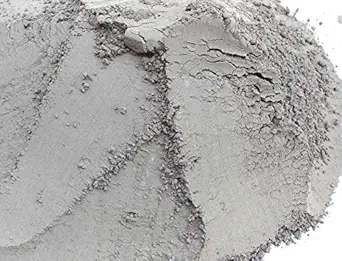
Fly ash is a fine powder collected from the flue gases of coal-fired thermal power plants. When coal burns at high temperatures, the non-combustible minerals melt and then solidify into tiny glassy particles as they cool. These particles are captured by electrostatic precipitators before they can escape into the atmosphere — and the result is fly ash.
India produces over 200 million tonnes of fly ash every year, making it one of the largest generators in the world. Responsible utilisation of this material is both an environmental necessity and a major opportunity for the construction industry.
How is Fly Ash Used in Concrete?
Fly ash is used as a partial replacement for Portland cement in concrete mixes. It reacts with calcium hydroxide — a byproduct of cement hydration — to form additional cementitious compounds. This reaction, known as the pozzolanic reaction, produces a denser, stronger concrete matrix over time.
Typical replacement levels range from 15% to 35% of cement by weight, depending on the application and grade requirements.
Key Benefits of Fly Ash in Construction
- Stronger, more durable concrete — Fly ash concrete gains strength gradually and achieves higher long-term strength than ordinary Portland cement concrete alone.
- Reduced heat of hydration — Less heat is generated during curing, critical for mass concrete structures like dams and raft slabs where thermal cracking is a risk.
- Improved workability — The spherical shape of fly ash particles acts like tiny ball bearings in the mix, reducing water demand and improving pumpability.
- Lower cost — Replacing a portion of cement with fly ash reduces material costs without compromising performance.
- Sustainability — Every tonne of fly ash used in concrete diverts industrial waste from ash ponds and reduces CO₂ emissions by replacing cement production.
IS 3812 and BS 3892 — Quality Standards
Not all fly ash is equal. Quality fly ash must meet strict standards. In India, IS 3812 Part 1 governs the specification for fly ash used in concrete and mortar. Internationally, BS 3892 Part 1 is the British Standard widely referenced in export markets including the UAE and GCC.
TSG Impex India processes and classifies fly ash to meet both IS 3812 and BS 3892 Part 1 standards, ensuring consistent quality for every batch supplied to RMC plants, precast units, and infrastructure projects across India and overseas.
Conclusion
Fly ash is not a waste material — it is a valuable construction resource that makes concrete stronger, more durable, and more sustainable. As India accelerates its infrastructure development, demand for quality fly ash will only grow.
LOOKING FOR A RELIABLE FLY ASH SUPPLIER?
TSG Impex India supplies IS 3812 & BS 3892 certified fly ash pan-India and exports to UAE, GCC & Africa.
Get a Quote →